

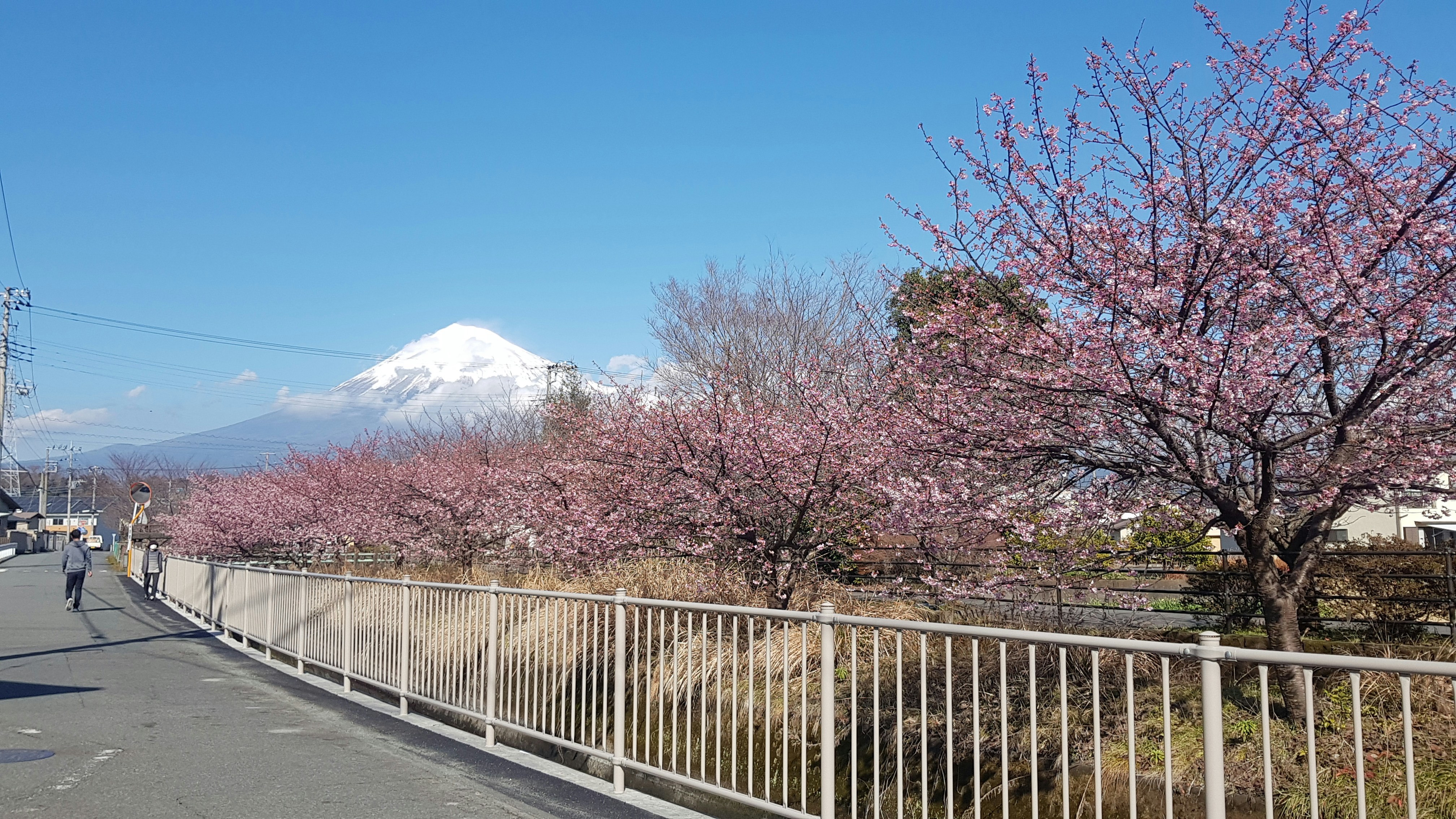
Skardu, in Gilgit-Baltistan, becomes especially captivating in spring, when apricot, almond, cherry, and apple trees brighten the valleys with soft pink and white blossoms. Against a backdrop of rugged peaks, clear streams, and broad mountain plains, the flowering orchards create an exceptionally scenic setting for a short escape. The blossom season generally runs from late March through April, although the exact timing varies according to altitude, temperatures, and annual weather conditions.
For a five-day itinerary, flying from Islamabad is often the most convenient option. Air travel substantially reduces the journey time compared with the long overland route, leaving more time for village visits, photography, walks, and cultural experiences. However, mountain weather can affect flight schedules, so travelers should avoid planning activities too tightly around their arrival or departure. It is sensible to keep a flexible schedule and confirm flight updates before leaving for the airport.
Early preparation is important during the popular blossom period. Flights and accommodation should be reserved well in advance, particularly if travel falls near weekends or public holidays. Pack warm, layered clothing because spring temperatures can change quickly, especially in the mornings and evenings. Comfortable walking shoes are useful for uneven paths and orchard visits, while sunglasses and sunscreen provide protection at high altitude. Personal medication, identification documents, and some cash should also be included, as access to pharmacies, card facilities, and ATMs may be limited outside the main town.
A licensed local guide or established tour operator can simplify logistics and provide valuable knowledge of communities, viewpoints, and seasonal conditions. Before booking, confirm airport transfers, accommodation details, inclusions, and the pace of the itinerary. Allowing additional flexibility is essential: weather may delay flights, while snow, rain, or road conditions can influence travel between valleys. A well-planned schedule should therefore combine clear arrangements with enough spare time to enjoy Skardu without unnecessary pressure.
Day One begins with arrival at Skardu Airport, where the landing itself can feel like the first highlight of the journey. If weather permits, travelers may see rugged peaks, deep valleys, and broad stretches of the highland landscape from the aircraft or terminal area. After meeting the airport pickup, the transfer to the hotel should remain unhurried. Check-in, a light meal, and time to rest are valuable after the flight, particularly while the body begins adjusting to Skardu’s altitude and dry mountain air.
Once refreshed, travelers can take an easy walk through Skardu town rather than attempt a demanding excursion. The local bazaar offers an introduction to everyday life, with small shops, regional products, and food spots serving traditional dishes. A viewpoint near the Indus River provides a peaceful change of pace and a chance to observe the contrast between the flowing water, cultivated land, and surrounding mountains. If energy, daylight, and weather allow, a short visit to Kharpocho Fort can add historical interest and elevated views. The first day is best kept flexible, with no pressure to complete every stop.
Day Two is devoted to Shigar Valley, reached by a scenic drive through orchards, villages, and agricultural fields. In spring, blossom-covered trees brighten the roadsides, while the valley’s traditional homes and mountain backdrop create a distinctive landscape. Shigar Fort is a central stop, combining historic architecture with insight into the region’s cultural heritage. Visitors can explore at a measured pace before walking through nearby areas where flowering trees frame village paths and cultivated plots.
Photography is especially rewarding here, but it should be approached respectfully. Travelers should ask before photographing residents, avoid entering private fields or homes, and keep pathways clear for farmers. Wide images of blossom-lined roads, traditional houses, and distant peaks can convey the setting without intruding on local life. Time for tea, regional cuisine, or a quiet conversation with a host helps make the day feel less hurried. After the valley visit, the group can return to Skardu for the night, leaving the evening open for rest and preparation for the days ahead.
Day Three brings the trip’s central sightseeing experience: a visit to Shangrila Resort and Upper Kachura Lake. The route passes through Skardu’s blossom-lined valleys, where flowering orchards, village homes, and rugged mountain scenery create a memorable transition from town to lake country. At Upper Kachura, clear blue water is framed by pine-covered slopes and surrounding peaks, producing one of the region’s most distinctive natural landscapes.
Time at the lake can remain relaxed and adaptable. Visitors may take a gentle lakeside walk, photograph the water and mountains, or enjoy boating when local operations and weather conditions permit. Lunch at or near Shangrila Resort offers an opportunity to appreciate the scenery without rushing between viewpoints. If time, road conditions, and local access allow, Lower Kachura Lake, commonly known as Shangrila Lake, may also be included as an additional stop. The exact sequence can change according to traffic, seasonal access, and conditions on the approach roads.
Day Four can follow one of two routes. If the road to Deosai is open and conditions are considered safe, the excursion leads to a high-altitude plateau celebrated for vast open landscapes, roaming wildlife, and dramatic skies. Deosai is especially rewarding for landscape photography and quiet observation, but it may remain snowbound outside the summer season and is not always suitable during the blossom months. Travelers should therefore treat this option as conditional rather than guaranteed.
When Deosai is inaccessible, a more practical local program can include Manthal Buddha Rock, Satpara Lake, Basho Valley, or further visits to orchards and traditional villages. These alternatives provide cultural interest and nature experiences while reducing exposure to difficult roads. Throughout both days, responsible travel is essential: remain with the group, follow local guidance, avoid disturbing wildlife, carry waste out of fragile areas, and respect residents and private land. Keeping the schedule flexible allows the experience to remain safe, comfortable, and responsive to changing mountain conditions.
Begin the final day with an early morning outing planned around your flight departure. If time allows, take a gentle walk through nearby orchards or a short drive to an Indus River viewpoint. The quiet light often provides excellent conditions for photographing blossoms, mountain slopes, and riverside scenery without rushing. A local guide or driver can recommend a scenic location that suits your schedule and current road conditions. Return to the hotel for breakfast and a final check of your belongings.
Before leaving, reserve time to purchase practical souvenirs and local products. Dry fruits, apricot jam or oil, dried fruit snacks, handicrafts, embroidered goods, and traditional keepsakes offer meaningful reminders of the valley while supporting local makers. Ask sellers about suitable packaging and airline restrictions, particularly for liquids or food items. Confirm your flight status with the airline or hotel before departing, since weather and operational conditions can affect schedules. Leave for Skardu Airport with sufficient time for check-in, security procedures, and possible delays.
Keep passports or identification, booking details, medication, phones, chargers, cameras, and other valuables in your hand luggage rather than checked baggage. Comfortable clothing and a light layer remain useful during the transfer, as temperatures may change between the hotel, airport, and aircraft. These simple preparations help keep the final morning calm and organized.
Throughout the trip, respect local customs by dressing modestly and behaving considerately in villages, religious sites, and family areas. Ask permission before photographing residents, and avoid touching, picking, or damaging flowers and branches. Carry a reusable water bottle, dispose of waste properly, and leave natural sites as you found them. Choosing locally owned hotels, guides, drivers, and restaurants helps ensure that tourism benefits the communities visited. This five-day escape brings together blossom-filled valleys, historic heritage, alpine lakes, local culture, and the memorable experience of reaching Skardu by air.